This is a test version of Biostars. For the public version, visit https://www.biostars.org.
Confusion about Illumina PE reads structure

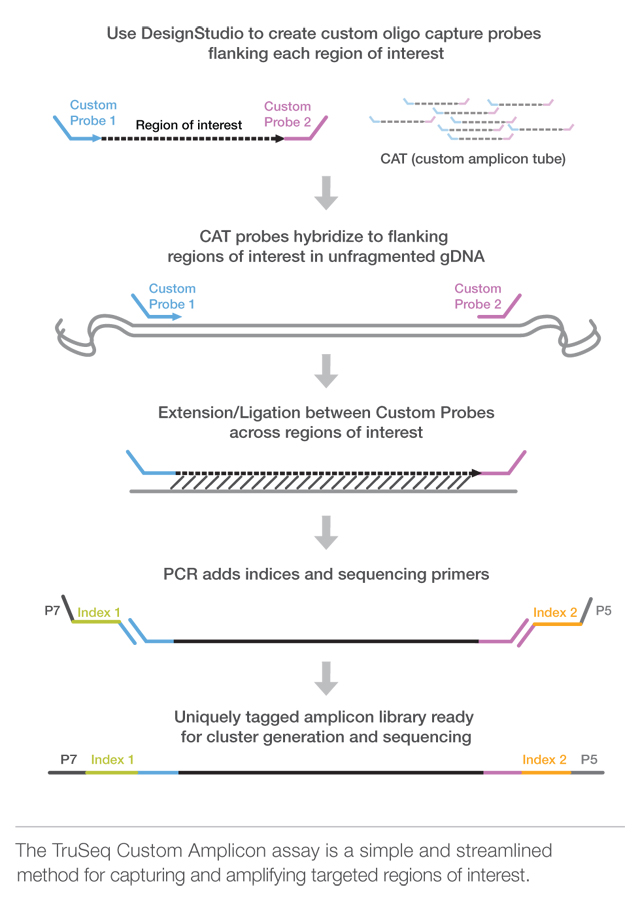
Based on these figures:

http://www.illumina.com/content/dam/illumina-marketing/images/products/truseq_custom_amplicon_workflow.jpg https://sites.google.com/a/brown.edu/bioinformatics-in-biomed/qiime-tutorial-3

I don't understand what is the final structure we got for a paired end fastq:

1) In the second link: a forward read seem to be composed of a barcode sequence and a primer sequence but a reverse read doesn't have a barcode sequence ?

2) If I use Trimmomatic (http://www.usadellab.org/cms/?page=trimmomatic), it says that I can remove adapters but the second link says there is no adapters ??

illumina paired end

Ok but the primer is present in a read file ?

The barcode reads are present in a separate file from R1 and R2.

Yes and they're usually only in the read ID. While it's possible to include them in a separate file, this is almost never done (it's a sure fire way to both confuse people and break a LOT of automated pipelines).

Not unless the fragment length was shorter than the read length (e.g., when sequencing miRNAs).

So a a read starts always with the target sequence ? (5' position)

99.99% of the time, yes. It occasionally happens that you get adapter dimers on the end. In these cases the adapter sequence will either be soft-clipped (so it doesn't matter) or the read won't align (again, that's OK).

1) So in the first figure: The "Custom probe" is the adapter right ? and what about P7 and P5 ?

2) In the second figure, what they call Primer sequence is in fact the adapter ?

1) So in the first figure: The "Custom probe" is the adapter right ? and what about P7 and P5 ?

Yes. The custom probe is the adapter. The figure is for custom amplicon sequencing. Are you using the same method?

P7 and P5 are the oligomers linked to the read+adapter along with index/barcode by PCR. These sequences attach to the complimentary oligos attached to the illumina flowchip where the actual sequencing occur.

2) In the second figure, what they call Primer sequence is in fact the adapter ?

Looks like that.

The terms primer/adapter are often used interchangeably, as are index/barcode.

3 answers

Depending on what version of the Illumina technology reads come from, they may have barcodes of varying lengths, and on both reads of a pair, or only on one read of a pair.

Note though, that with Illumina technology, the barcodes are read in a separate run or runs from the R1 and R2 sequences.

However, in the cases where the DNA insert is shorter than the read length, you will read through into the first part of the adapter sequence, and eventually into the barcode sequence, so some reads may have an adapter sequence and maybe also a barcode sequence towards the 3' end of the read. This is what trimmomatic removes.

In the link you gave from Brown Uni, the sequencing primer hybridises to the green part of the sequence, and you start getting the sequence of the blue part of the line (sequencing-by-synthesis). If the blue part is shorter than the number of sequencing cycles, you read into the yellow part (the reverse adapter), and you get the sequence of this adapter on the 3' end of your read.
Can there be barcode sequence or any part of adapter at the 5' end of reverse read?? I have so in 75 out of the 7 million reads in my illlumina paired end data. Should these reads be deleted? What could be the reason for such contamination? (adapter dimers would have caused the 3' adapter to be present at 5' of read, but I see 5' adapter at 5' end of read.. Why is it so??)

You can get some reads that are entirely adapter sequences. How long are your reads, and for the reverse reads where you see adapter sequences at the 5' end, what do the corresponding forward reads look like?

The reads are 100bp in length.. I've got 40 hits for exact matches with 5' adapter (63 bp) at 5' end in reverse reads file.

eg: reverse read: 5' CAAGCAGAAGACGGCATACGAGATCGTGATGTGACTGGAGTTCAGACGTGTGCTCTTCCGATCTCAAGCAGAAGACGGCATACGAGATCGTGATGGGACT 3'

forward read for same: 5' CAAGCAGAAGACGGCATACGAGATCGTGATGGGACTGGAGTTCAGACGTGGGCTCTTGCGATCTGAAGCAGAAGACGGGATACGAGATCGGGAGAGGAGA 3'

What does this mean??? Why is there an identical sequence at 5' of both??

Another case: forward 5' CAAGCAGAAGACGGCATAGGAGATCGTGATGTGAATGGAGTTCAGACGTGTGCTATTCCGATCTCAAGCATAAGACGGGATACGGGATGGGAAGAGCAAC 3'

reverse 5' CAAGCAGAAGACGGCATACGAGATCGTGATGTGACTGGAGTTCAGACGTGTGCTCTTCCGATCTCGAGCAGAATACTGTAGATGAGATCGGGAGAGGACT 3'

3' of forward read is reverse complemet of 5'!

And what about the cases (5000) where 5' adapter matches to 5-10 bases at the 5' of a read?? Should these be discarded? Or can be included??

There generally aren't adapters, except at the 3' end if your fragment size was shorter than the read length. The first link you showed didn't include the location of the sequencing primers, which likely would have clarified this for you.

Check this link https://ngsc.med.upenn.edu/Experiments/Public_Data/Media/Public/FASTQ-Files.html Barcodes are part of the 3' adapter and used to separate reads from different libraries when pooled and sequenced. If you are sequencing inserts larger than your read size say 180-300bp you are not expected to see any adapter sequences or parts of them in your reads. But nothing is perfect in sequencing and sometimes you may end up with part your data containing few bases at the 3' end of your read containing the part of adapter sequences. When using trimmomatic use the adapter sequences specific to the type of library you used. If there are any adapter sequences at the end of the reads it will trim and keep the 5' part of the read.

Log in to answer this question.