Since I'm not aware of any scholarships for/in czech republic, please contact the organizers directly and ask them: info@seqme.eu
• 0 views
•
link
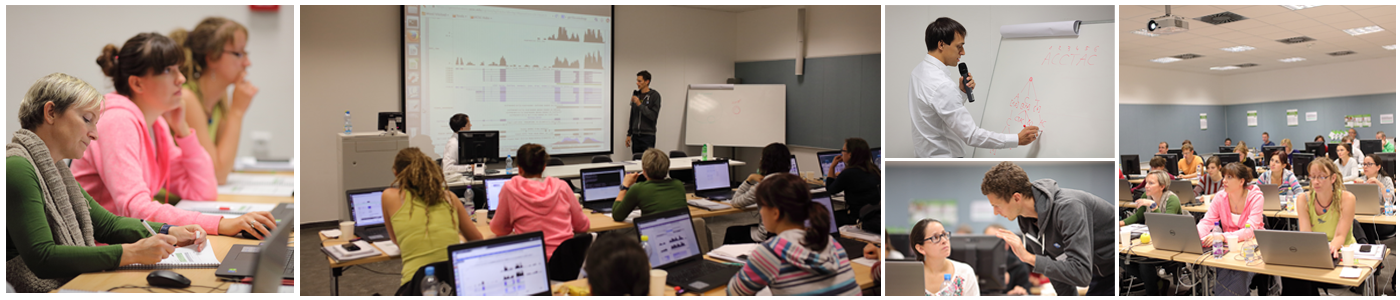
Check more courses at ecSeq Bioinformatics.
Who Should Attend
Molecular biologists or data analysts with an interest in Next-Generation Sequencing (NGS) data analysis. You should be computer literate and have a basic understanding of molecular biology (DNA, RNA, gene expression, PCR).
Scope and Topics
The goal of this workshop is to give you a deeper understanding of the Next-Generation Sequencing technology with a special focus on bioinformatics issues. All workshop participants will perform important steps of NGS data analysis tasks themselves.
Programme
Day 1 - Linux for bioinformatics
Go beyond the graphical user interface!
Day 2 to 3 - NGS data analysis
Get a full picture of NGS workflow!
Day 4 to 5 - Getting started with RNA-seq Data Analyses
Explore the open source world of RNA-seq!
Every day - A brief presentation on real-life examples of data analysis given by bench scientists!
Seats and Fees
25 Seats available (First-come - First-served)
Registration: https://www.seqme.eu/en/courses/dates/ngs-summer-school
Registration fee: 1.450 Euro plus VAT
Registration fee includes: Workshop materials, Lunches/Coffee breaks, Workshop dinner. Please kindly notice that lodging, travel and other incidental expenses are the responsibility of the attendee.
NOTE:
The course will be done using a bootable USB stick containing a Linux environment with all needed NGS tools already installed! After the course you will get the stick with all exercises and results you created during the week. Thus, you can immediately apply what you have learned with your own data by just booting your machine from the stick!

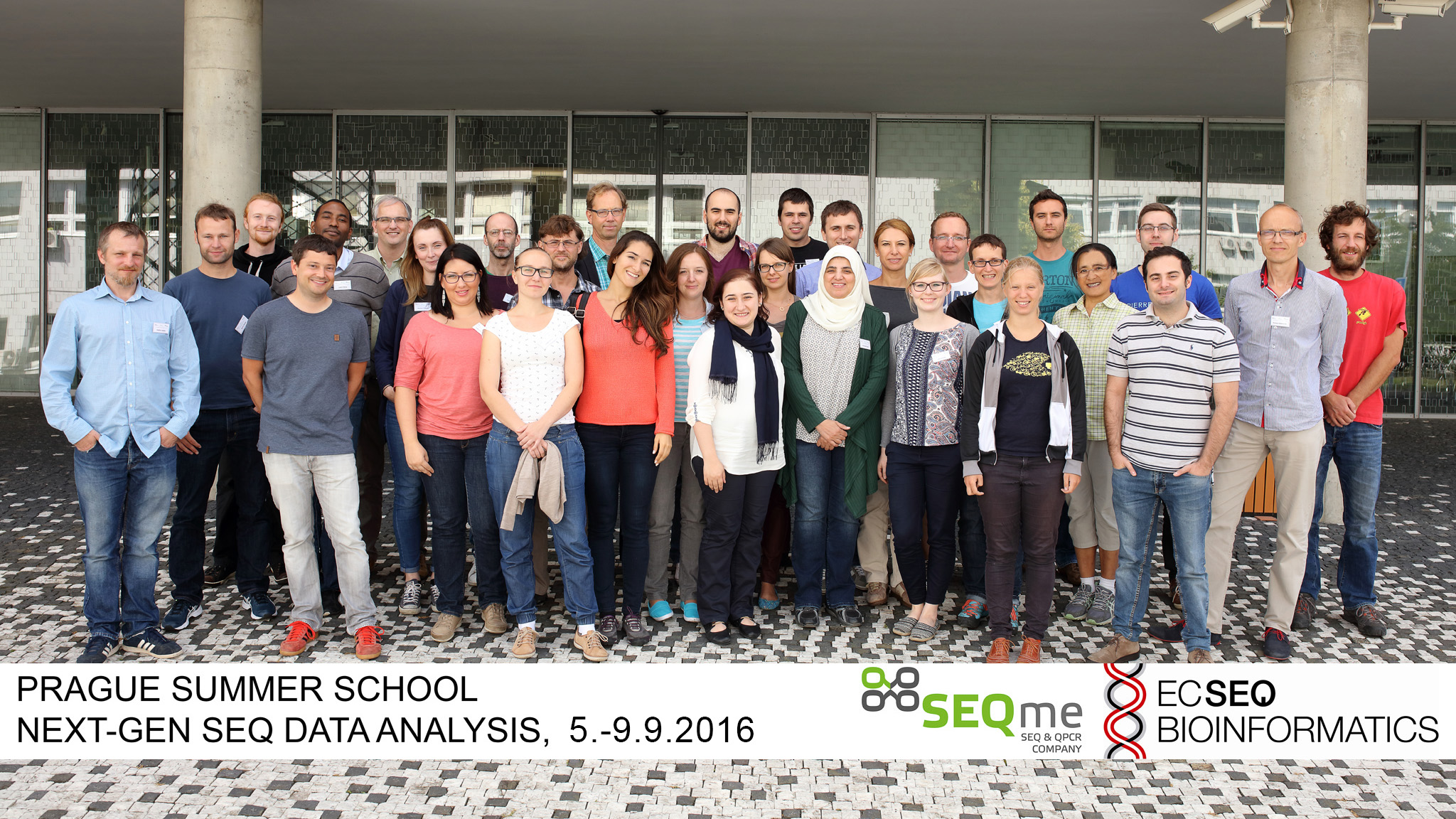
Thanks to all participants from the 2016 summer school in Prague. It was a great event and we from ecSeq enjoyed the week a lot!
Is there any type of scholarship provided for this workshop or are there any agencies that fund students for these activities? Because I am very interested in this workshop and all the topics that you provide are needed to me for my master course project. Thank you.
Since I'm not aware of any scholarships for/in czech republic, please contact the organizers directly and ask them: info@seqme.eu
Will you use CLC Genomics Workbench for the course?
Dear daiefa123,
we will not use the 'Genomic Workbench' from CLC. We will only use free-to-use software. These workbenches from bioinformatics companies are nice and easy-to-use, but since most of the participants are researchers from academic institutions, we want to use free tools.
Actually, we have a philosophy we try to follow:
Very nice is our bootable USB-key with all used tools installed. It really helps to test your data with e.g. different mapping algorithms, without the need to install them on your machine.
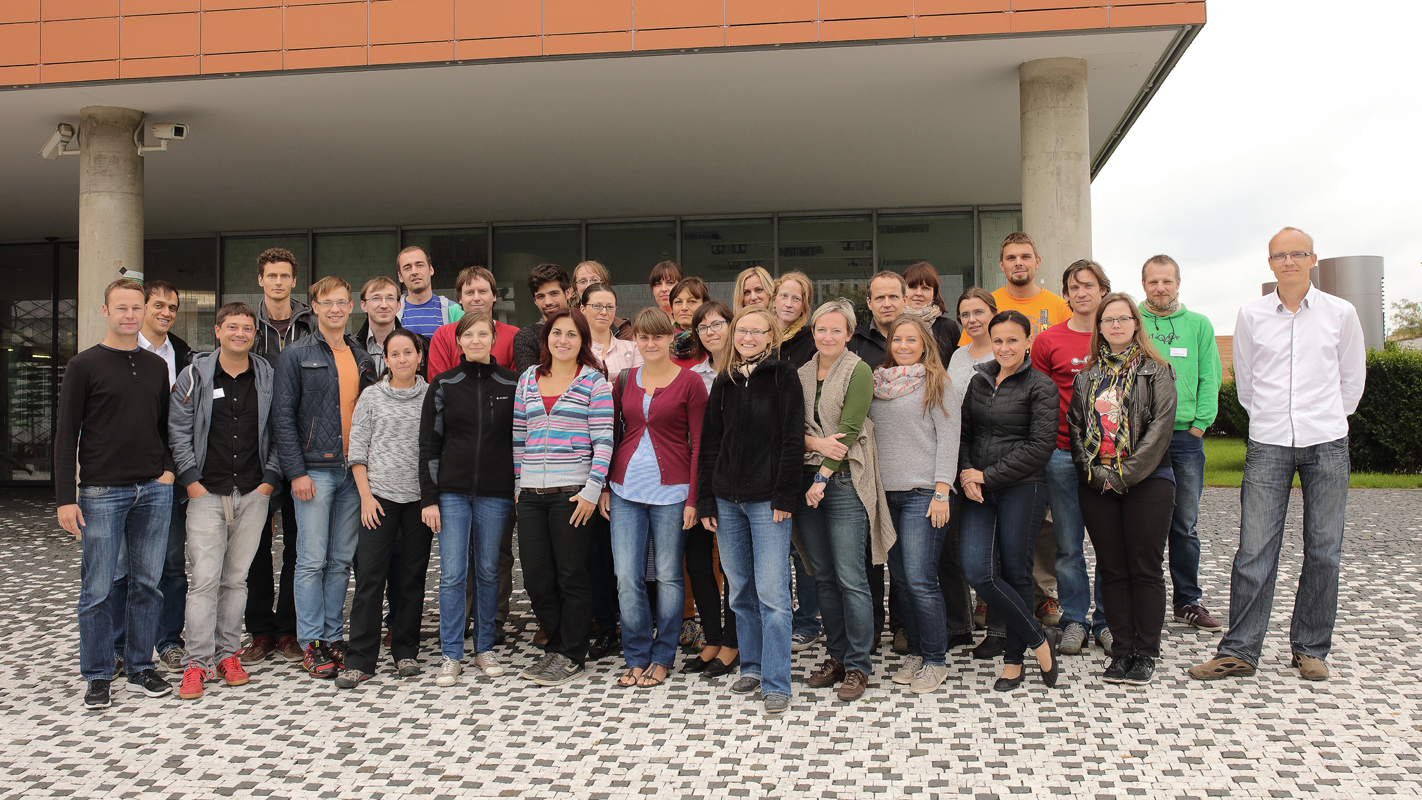
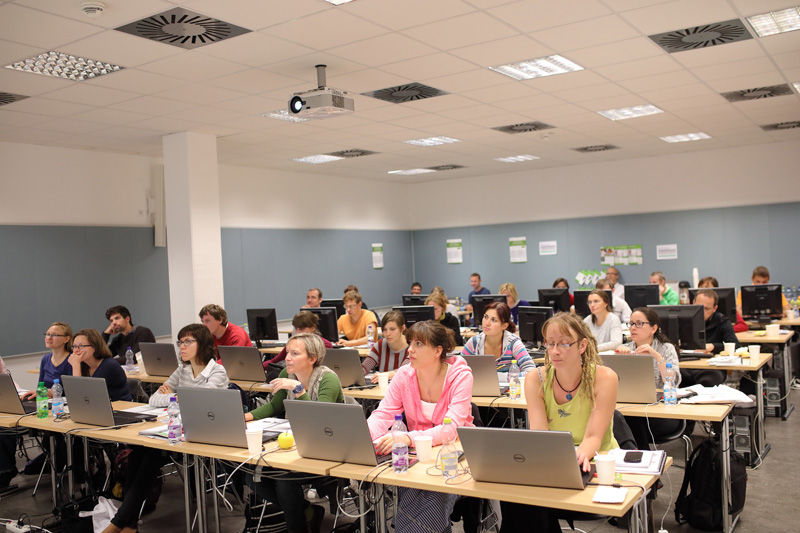
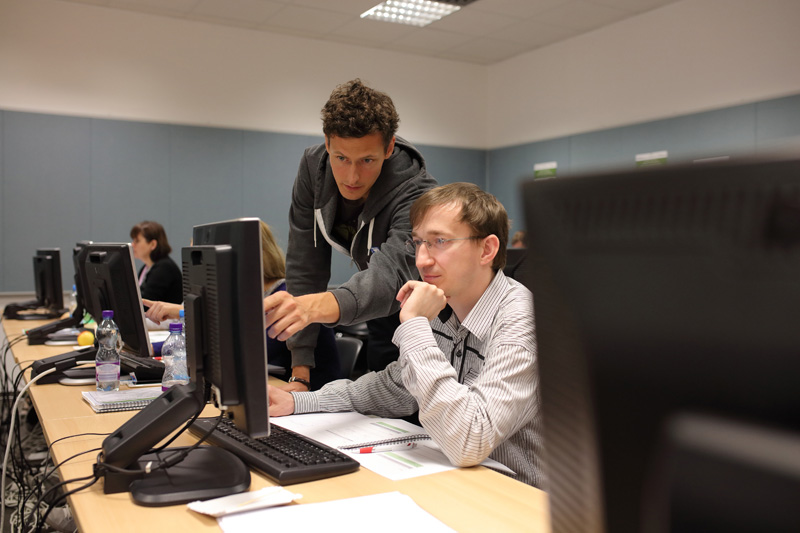
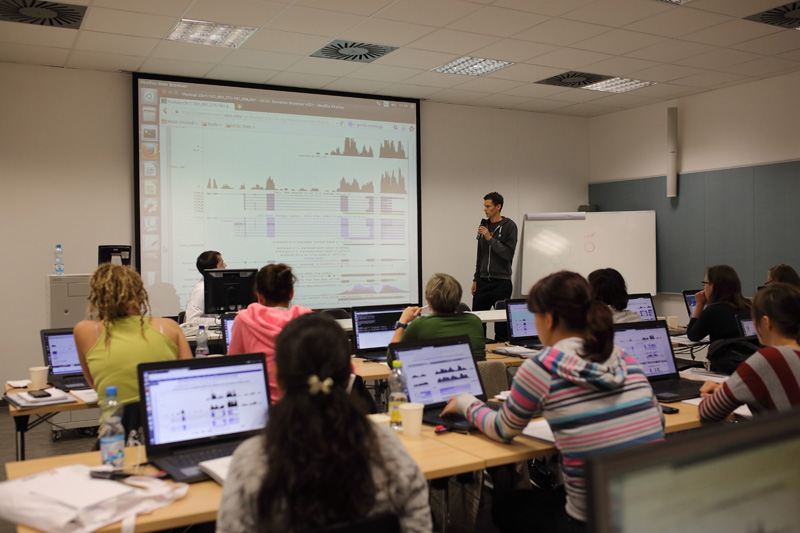
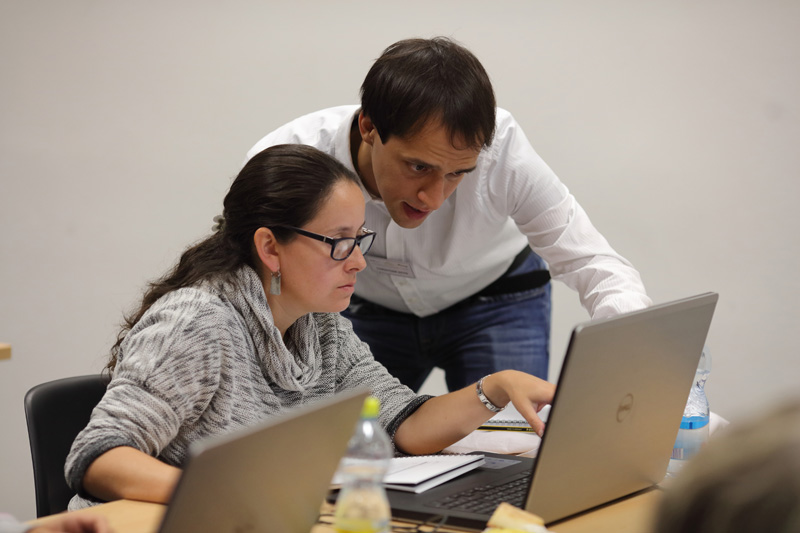
Here are some impressions of our pretty intense, but very productive 2015 workshop in Prague:
For all who did not get a seat for the summer school in Prague:
There will be a NGS-Intro workshop in June 2016
We also offer 'On-Site Bioinformatics Courses', which might be of interest to you and/or your institute (visit http://www.ecseq.com/workshops/on-site-courses.html to get more information)
Downloads:
Upcoming Workshop: A Beginner's Guide to RNA-Seq Data Analysis
I just updated the page! The course will be again in September 2016 and we hope that it will be as great as last year!
is there any scholarship or facility for students ?
Please directly contact SEQme, since they are the organizers of this workshop. Email: info@seqme.eu
Log in to answer this question.
How many stock image models will be there?
It's Prague! That's where they live! ;)
Slightly cheaper alternative, dedicated especially for young scientists from central Europe (V4 region): Summer School in Bioinformatics & NGS Data Analysis or http://ngschool.eu/